Complete Lawn Solutions with Professional Lawn Maintenance
The Value of Lawn Upkeep: Key Services for a Healthy and Lush Lawn
Lawn maintenance plays a pivotal role in fostering a thriving and beautiful yard. Consistent mowing, fertilizing, and aerating are essential techniques that support the overall well-being of your lawn. These methods not only stimulate growth but also improve soil composition and strengthen root systems. Moreover, understanding the seasonal needs of a lawn can greatly impact its resilience. When the seasons transition, the demands for proper lawn upkeep change as well. What targeted approaches can property owners adopt to ensure their lawns remain healthy across all seasons?
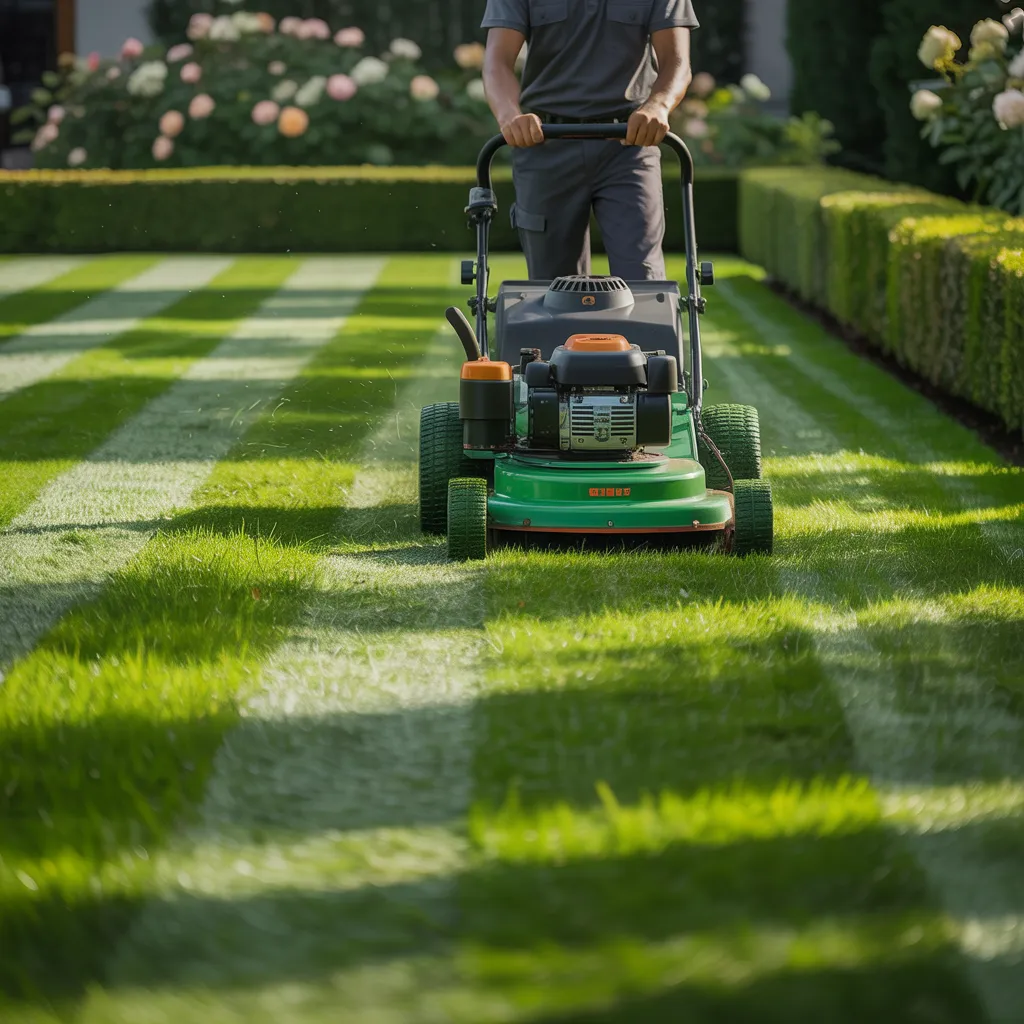
The Role of Routine Mowing in Maintaining Lawn Health
Routine mowing plays a vital role in preserving a healthy lawn, as it promotes even growth and prevents weeds from establishing themselves. By cutting grass at the appropriate height, homeowners can encourage denser turf, which functions as a natural shield against invasive plants. Routine mowing additionally assists in dispersing nutrients more evenly throughout the lawn, facilitating a robust root system.
Furthermore, consistent mowing prevents the grass from getting too long, which can cause inconsistent growth and greater susceptibility to insects. This additionally lowers the likelihood of thatch accumulation, a accumulation of organic material that can inhibit the absorption of water and nutrients.
Establishing a regular mowing timetable adapted to the grass type and seasonal growing cycles greatly improves lawn health. In the end, regular mowing is more than just a routine obligation; it is a critical practice that plays a major role in the complete health and visual appeal of a lawn.
How Lawn Fertilization Benefits Grass Health
Lawn fertilization serves a critical function in improving grass health by providing essential nutrients that stimulate growth. It also supports enhanced soil quality, creating a more robust environment for root development. Additionally, effective fertilization can help manage weeds and pests, additionally encouraging a flourishing lawn.
Nutritional Boost for Growth
A well-fertilized lawn can considerably boost grass vitality and strength. Lawn fertilization supplies essential nutrients such as nitrogen, phosphorus, and potassium, which are crucial for strong development. These nutrients promote deep root development, improve drought resistance, and boost the lawn's color vibrancy and fullness. Consistent use of the appropriate fertilizer ensures that grass gets the essential nutrients it needs to flourish, particularly during peak growing seasons. Additionally, balanced fertilization can help prevent common lawn diseases and pest infestations by strengthening the grass's natural defenses. By committing to sound fertilization methods, homeowners can achieve a lush, green lawn that not only seems visually pleasing but also withstands environmental stresses more effectively.
Enhancing Soil Health
Enhancing soil health is essential for promoting vibrant grass growth, and effective fertilization plays a significant role in this process. Fertilizers provide essential nutrients including nitrogen, phosphorus, and potassium, which are fundamental for healthy root systems and overall lawn vitality. An even application of these nutrients stimulates microbial activity in the soil, enhancing nutrient availability and promoting a thriving ecosystem. Consistent fertilization aids in preserving optimal soil pH levels, allowing grass to take up vital minerals effectively. Furthermore, a sound soil structure enhances water retention and drainage, reducing the risk of disease and stress on grass. By focusing on soil health with effective fertilization methods, property owners can develop a vibrant, durable lawn that withstands environmental pressures.
Pest and Weed Control
Proper soil health maintenance not only supports grass growth but also plays a significant role in weed and pest control. When lawns receive proper fertilization, the grass becomes denser and healthier, which limits the space and nutrients available for weed growth. Additionally, healthy grass is better equipped to outcompete pests for nutrients, thereby reducing pest infestations. Nutrient-rich fertilizers enhance root structures, making grass more resilient to environmental stressors and pest attacks. Furthermore, regular fertilization creates a balanced ecosystem that supports the presence of helpful organisms, which help control harmful pests naturally. By combining weed and pest control methods with fertilization, turf management specialists can promote a thriving landscape while reducing reliance on chemical treatments, resulting in a more sustainable and healthier lawn.
Why Aeration Matters for Your Lawn?
Aeration acts as a fundamental process for promoting a healthy lawn. This practice entails creating holes throughout the soil to enable air, water, and nutrients to reach further into the root zone. By alleviating soil compaction, aeration encourages grassroots to grow stronger and more efficiently. It enhances the soil's ability to retain moisture and promotes a more flourishing lawn.
Moreover, aeration supports improved drainage, reducing the likelihood of waterlogging, which can lead to a range of lawn diseases. The infusion of oxygen enhances microbial activity, necessary for degrading organic matter and freeing nutrients. Consistent aeration results in a more durable lawn able to withstanding environmental stressors, such as heavy foot traffic or drought.
Ultimately, incorporating aeration into a lawn care routine is a preventative strategy that plays a major role to the overall health, appearance, and longevity of the lawn, ensuring a rich and verdant outdoor space.
Proven Pest Control Methods for Lawn Maintenance
How are homeowners able to ensure their lawns stay lush and vibrant even when dealing with pest pressures? Strong pest control methods are vital for keeping a thriving outdoor space. Initially, consistent lawn evaluations can help uncover pest infestations before they worsen, making it possible to act quickly and effectively. Homeowners are encouraged to explore integrated pest management (IPM) strategies, blending biological, cultural, and chemical solutions to address pest issues without causing unnecessary damage to the ecosystem.
Employing beneficial insects, such as ladybugs and beneficial mites, can naturally decrease pest populations. Furthermore, maintaining a healthy lawn through consistent watering, fertilization, and mowing can reinforce the grass, making it more resistant to pests. Property owners can also utilize organic pesticides as a safer alternative to traditional chemicals. Lastly, guaranteeing adequate drainage and aeration can eliminate conditions that encourage pest growth. By utilizing these approaches, homeowners can reliably defend their lawns and foster a flourishing outdoor space.
How Seasonal Shifts Impact Lawn Care
As the seasons change, lawn maintenance requirements change, prompting homeowners to adjust their maintenance schedules. As spring arrives, lawns emerge from their dormant state, requiring essential tasks like aeration, fertilization, and overseeding to encourage vigorous growth. When summer temperatures climb, proper hydration becomes essential; frequent watering and height-appropriate mowing aid in retaining moisture and minimizing stress on the lawn.
When fall begins, the focus shifts to getting the lawn ready for winter. Part of this process includes using a final fertilizer application to fortify roots and removing fallen leaves to keep mold and pests at bay. In addition, property owners should think about aerating the lawn again to boost soil vitality.
Finally, cold-weather lawn care typically requires limiting foot traffic on frost-covered grass and clearing away debris. Every season presents distinct challenges and possibilities, highlighting the need for a customized lawn care strategy across all seasons. Adjusting to these seasonal shifts ensures a healthy and robust lawn.
Sustainable Practices for Lawn Health
Eco-friendly methods are vital for maintaining lawn health while minimizing environmental impact. Practices like chemical-free fertilization, water-efficient irrigation, and planting native species support a vibrant and balanced ecosystem. By adopting these methods, homeowners can promote a healthy lawn that supports biodiversity and conserves resources.
Organic Fertilization Techniques
A range of organic fertilization techniques can substantially benefit lawn health while supporting environmental sustainability. Compost, derived from decomposed organic matter, enriches soil with essential nutrients and optimizes its texture. Furthermore, using fish emulsion supplies an immediate nutrient surge, supporting healthy grass growth. Another effective method is the application of bone meal, which provides phosphorus for sturdy root development. Including green manures, such as clover, can also improve soil nutrients and minimize soil degradation. Furthermore, utilizing natural mulch not only locks in moisture but also progressively supplies nutrients as it breaks down. By adopting these organic practices, homeowners can maintain a lush lawn that benefits surrounding ecosystems while decreasing the environmental impact linked to synthetic fertilizers.
Water Saving Methods
Adopting practical water conservation techniques is vital for keeping a thriving lawn while reducing resource waste. Among the most effective approaches is developing a deep root system by watering deeply but infrequently. This helps grass build natural resistance to dry conditions. Utilizing mulch can also retain soil moisture and suppress weeds, reducing the need for additional watering. Additionally, setting up a rainwater harvesting system enables homeowners to make use of natural precipitation for watering. Smart irrigation systems, which adjust based on weather conditions, can further optimize water use. Also, planning irrigation sessions during the early morning can greatly decrease evaporation. By embracing these methods, maintaining a lawn can become both eco-friendly and budget-conscious, supporting vibrant growth without wasting water.
Local Plant Curation
As many homeowners strive for beautiful lawns, the use of native plants presents an eco-friendly method for maintaining lawn health. Native plants have evolved to thrive in local climates and soil types, requiring less water and maintenance than non-native species. This decreases dependence on fertilizers and pesticides, fostering a thriving ecosystem. Additionally, these plants provide essential habitats for local wildlife, including pollinators like bees and butterflies. By planting native species, homeowners can establish a vibrant landscape that prospers with minimal effort. The use of native plants not only enhances aesthetic appeal but also supports biodiversity, contributing to a more resilient environment. In the end, selecting native plants supports eco-friendly lawn care practices, cultivating a thriving and environmentally conscious outdoor area.

The Lasting Advantages of Professional Lawn Care Services
Investing in expert lawn maintenance solutions not only elevates the immediate appearance of a property but also delivers significant lasting advantages. Routine care from specialists ensures a more vibrant lawn, minimizing the risk of pests and diseases. These specialists apply customized solutions that foster vigorous growth, boosting the quality of the soil and overall ecosystem health.
Moreover, ongoing lawn care can lead to increased property value. A meticulously maintained landscape acts as an attractive asset, drawing in potential buyers and improving curb appeal. Furthermore, professional lawn care services often include seasonal planning, which synchronizes lawn upkeep with regional weather patterns and climate factors, supporting optimal growth throughout the year.
In the long run, this preventative strategy limits the requirement for pricey repairs and replacements, effectively helping homeowners save money. By prioritizing professional lawn care, individuals not only enjoy a lush, vibrant yard but also support the enduring vitality and strength of their outdoor environments.
Common Questions and Answers
How Often Should I Water My Lawn?
A lawn typically calls for irrigation two times per week, providing about 1 inch of water each watering session. This regimen promotes ideal moisture absorption, promoting strong growth while reducing disease risk and fostering deep root development.
What Are the Best Grass Varieties for My Region?
The ideal grass species for any given region depend on environmental and soil factors. Cold-weather grass varieties flourish in cooler northern climates, while warm-weather grass types are ideal for warmer southern regions, promoting optimal growth and vitality all year long.
What Are the Signs That My Lawn Needs Aeration?
Signs that a lawn needs aeration include sparse grass growth, compacted soil, and inadequate drainage. Furthermore, if the lawn exhibits stress symptoms during drought periods or heavy foot traffic affects its overall look, aeration may prove advantageous.
Is It Safe for Your Pets After Fertilizer Application?
Once fertilizers have been applied, it is typically suggested to keep pets off the lawn for a period of 24 to 48 hours. This measure ensures the safety of your pets, as the chemicals involved may trigger irritation or harmful reactions if ingested or contacted.
What Equipment Is Required for Basic Lawn Care?
Proper lawn start here care needs a few essential tools: a sturdy lawnmower, a rake, a shovel, trimming shears, a watering hose or sprinkler, and a spreader for fertilizer. Having these tools on hand promotes healthy and well-maintained lawn care.